Key takeaways
- Map shared dependencies before drawing the construction boundary.
- Give each live-system interface an approved method, recovery plan and decision owner.
- Make operational acceptance a distinct step after installation and testing.
Establish the operating baseline
Start with current drawings, equipment schedules, load information and operating procedures. Have the facilities and IT teams identify where records are uncertain. Verify relevant conditions through approved investigations before relying on them for construction. Document what is running, what capacity is reserved and what cannot be disturbed. Record current alarms or unresolved issues so they are not confused with conditions introduced by the project.
Walk the entire route of a proposed connection, not just its endpoint. A new rack row may depend on an electrical room, cooling loop, control network or pathway outside the visible construction zone. The review should identify those relationships and the people authorized to approve changes to each system.
Translate uptime priorities into constraints
Ask the owner to define acceptable maintenance windows, business-critical periods, escalation contacts and stop-work authority. Describe the operating state required before work begins. Agree how changes will be reviewed if demand, equipment availability or the existing system condition differs from the plan. Avoid allowing a construction milestone to override an operational prerequisite.
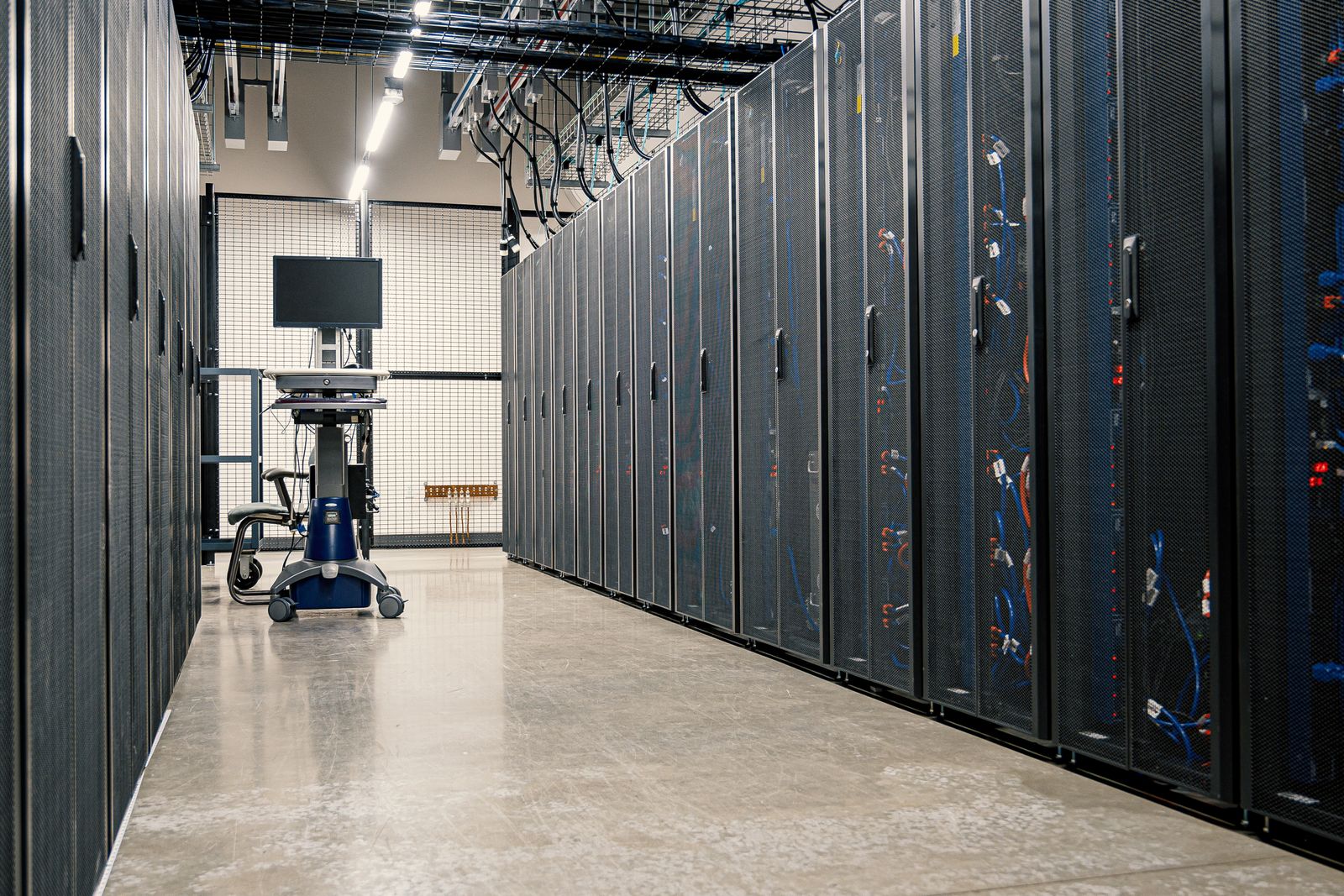
A hypothetical expansion might place new cabinets in an empty portion of a live room while relying on shared cooling infrastructure. Physical separation alone would not resolve the shared-system risk. The team would need to assess the cooling connection, control effects and acceptance conditions before work. This is a planning scenario, not a report of an HQ project.
Design temporary conditions as carefully as permanent work
Identify temporary barriers, material routes, storage areas and work zones. Check that temporary arrangements do not obstruct equipment service access or the intended air paths. The DOE data center design guide treats air management as part of the overall system; temporary construction arrangements should be evaluated against that same design intent.
Coordinate housekeeping, drilling, debris control and tool management with facility procedures. Do not assume that a conventional office-renovation method is suitable near operating IT equipment. The owner and qualified specialists should define the controls appropriate to the environment and the work. Record how those controls will be checked during each shift or phase.
Build a controlled interface plan
For every tie-in or modification, identify the exact equipment, drawings, responsible personnel, prerequisites and communication sequence. Qualified personnel should develop the technical procedure and safe work methods. The construction schedule should reference the approved procedure, not attempt to replace it with a brief task description. Make document revisions and authorization status visible to everyone involved.
Include a recovery decision. What result permits work to continue? What condition requires stopping? Who decides whether to return to the prior approved operating state? Keep the necessary personnel and resources available for the full event, including restoration and verification. This guide is not an electrical switching procedure and should never be used as one.
Coordinate vendors and dependencies early
List equipment suppliers, controls specialists, testing providers and facility personnel required for each event. Confirm their availability before fixing a window. Account for access credentials, orientation, submittal review and any owner-specific change-management process. A missing vendor technician can affect readiness as much as a delayed piece of equipment.
Maintain one interface register that connects design decisions, procurement and field activities. If a substituted component changes controls or clearances, route that change through the relevant designers and operations team. Approval of a purchase alone does not establish that the substitution works within the operating facility.
Commission in stages and retain the evidence
Separate installation inspection, equipment startup, controls verification and integrated testing. Define prerequisites for each stage and the operating conditions under which tests may occur. The ASHRAE data center framework provides a useful integrated planning context, but it is guidance rather than a site-specific acceptance standard. The owner's requirements and approved engineering documents must define the actual tests.
Before handover, reconcile drawings, labels, settings, test results and operating instructions. Train the people who will maintain the changed system and record outstanding items. A construction completion date should not be treated as operational release until the designated owner representative accepts the agreed evidence.
Go/no-go checklist for a work window
- The current operating state matches the approved assumptions.
- Required drawings, methods and authorizations are current.
- Operations, vendors and qualified trades are available.
- Monitoring, communication and recovery responsibilities are clear.
- Time remains for restoration, verification and a controlled handover.
Frequently asked questions
Is an empty part of a live room a low-risk work zone?
Not necessarily. Shared power, cooling, controls and circulation can connect that area to active systems.
Can construction always proceed without an outage?
No. The engineering and operational review determines what is feasible. A planned interruption may be necessary and should be considered openly rather than hidden in a schedule assumption.